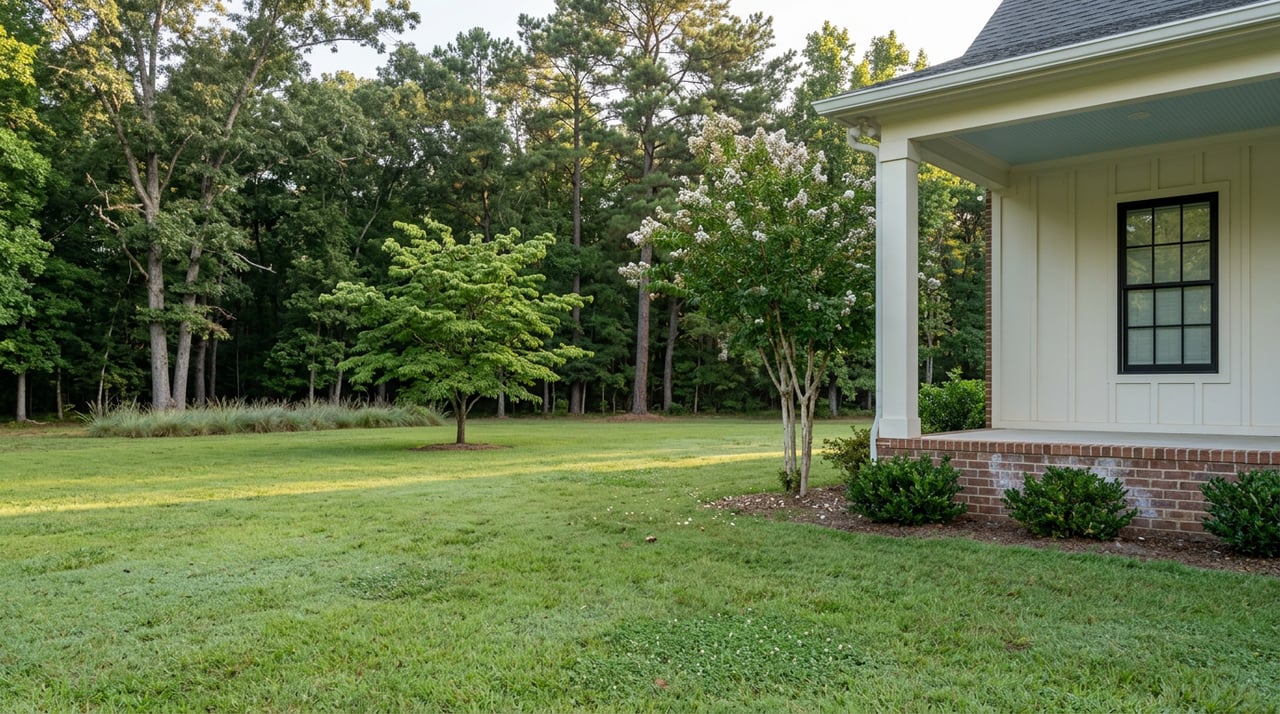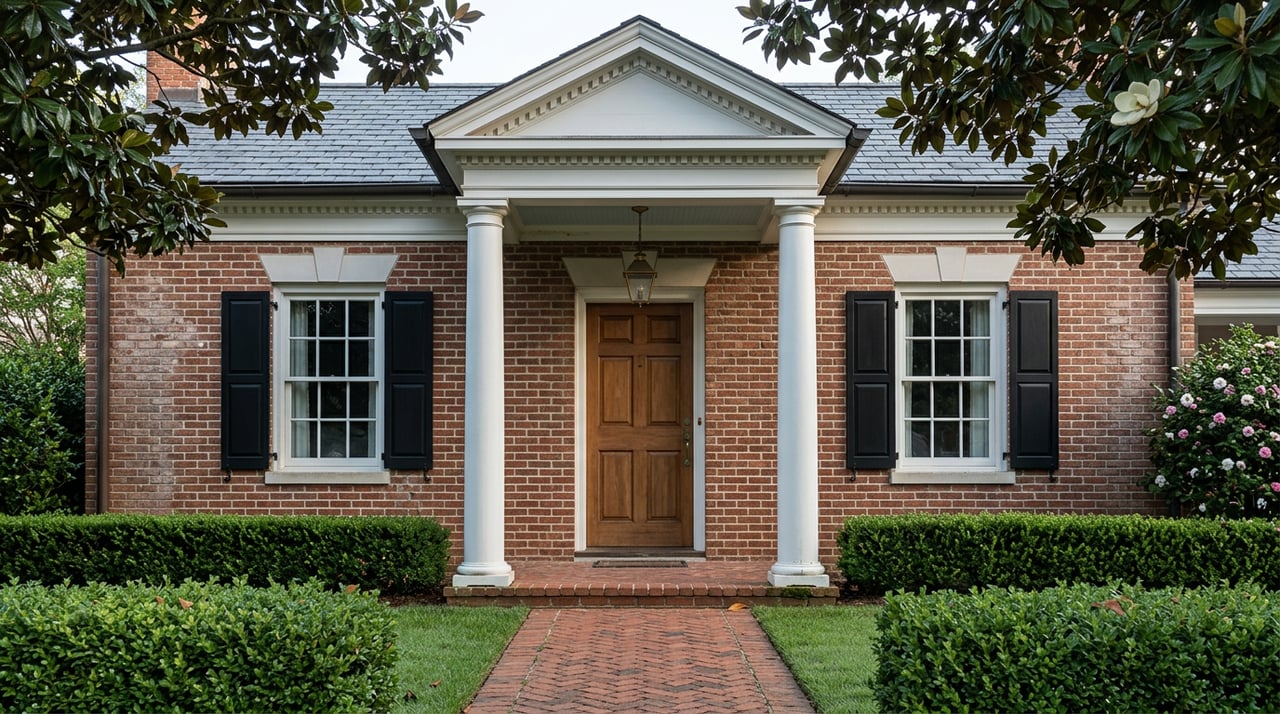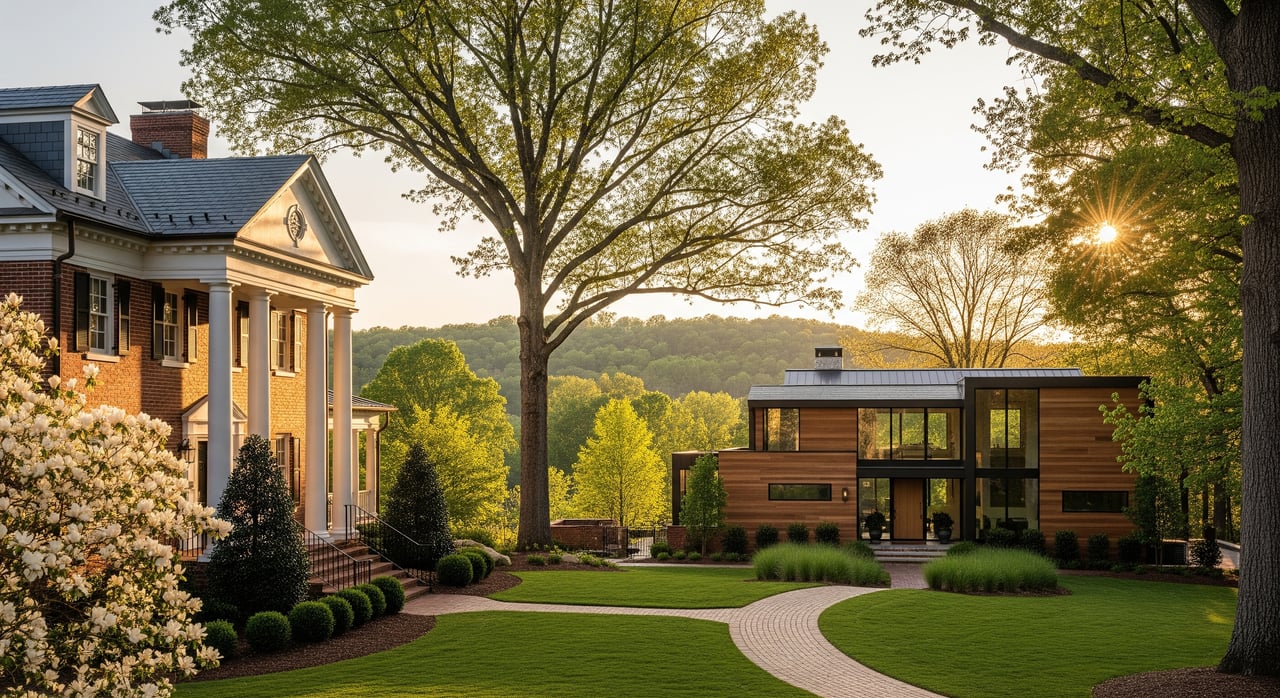
Torn between the shine of a brand-new build and the charm of an established home in Oak Ridge? You are not alone. If you are relocating to the Triad or moving up for more space, the choice can feel big. In this guide, you will learn how new construction and resale homes compare on timelines, costs, inspections, HOAs, resale value, and local considerations unique to Oak Ridge. Let’s dive in.
Oak Ridge market snapshot
Oak Ridge sits in Guilford County within the Greensboro–High Point–Winston-Salem region. Many buyers weigh commute times to major employment centers and access to key roads when choosing a neighborhood. The area mixes established communities with newer subdivisions, so you will see both resale options and active building. School assignments fall under Guilford County Schools, and it is smart to confirm current attendance zones before you buy.
New construction: what to expect
Builder types and your fit
- Production builders: Streamlined floor plans, design center finishes, predictable pricing, and faster delivery in larger neighborhoods. Often include HOA oversight.
- Semi-custom builders: Some plan changes and more personalization than volume builders, with added cost and time.
- Custom builders: Full design flexibility and lot choice, longer timelines, higher costs, and more day-to-day oversight.
If you want minimal complexity and a quicker move, production homes can work well. If you need specific features like a second suite or unique layout, semi-custom or custom may fit better.
Timelines and common risks
Production or spec homes in Oak Ridge often complete in roughly 4 to 9 months after lot prep. Semi-custom and custom builds commonly run 6 to 12 months or longer based on design and permitting. Local drivers include permit reviews, utility connections, lot readiness, material lead times, and weather. Ask for a written schedule with milestones, understand delay clauses, and discuss how the builder handles supply delays and incentives for on-time delivery.
Warranties and post-closing service
Many builders offer a 1-2-10 style package: about 1 year for workmanship and materials, 2 years for major systems, and 10 years for structural coverage. Verify what is covered or excluded, how to file claims, who performs repairs, and whether the warranty transfers to a future buyer. Some homes include energy-efficiency certifications or manufacturer warranties on systems and appliances.
Customization, upgrades, and costs
You will choose finishes through a design center or request structural changes. Design center upgrades carry a premium, and late change orders can affect cost and timing. Desirable lots may have lot premiums. Set an upgrade budget early, prioritize layout changes first, and get all allowances and change-order pricing in writing.
Financing and appraisals
Spec and production homes typically use a standard mortgage at completion. Custom builds may require construction-to-permanent loans with draws and interest during construction. Appraisers compare to recent sales; in a developing subdivision, limited comparable sales can affect valuation. Builders sometimes offer incentives or contract terms to reduce appraisal risk. Plan for independent inspections at pre-drywall and final stages even when a warranty is included.
Resale homes: what to expect
Timeline and move coordination
Resale timelines can be faster. After you find the right home and go under contract, a typical closing with conventional financing takes about 30 to 45 days. If you are selling another home, it can be easier to coordinate sale contingencies or lease-back arrangements with a resale purchase.
Inspections and condition
Existing homes vary widely in age and maintenance. Common inspections include general home, termite, and septic or well where applicable. Older homes may warrant radon, mold, chimney, or foundation checks if there are signs of concern. Inspection findings often become the basis for repairs or price credits. Newer resales may leave less room for concessions if the market is tight.
Renovation trade-offs
Renovations can deliver the look you want but can be less predictable on timing and cost than builder upgrades. You can sometimes negotiate price reductions to fund improvements. Review past permits and inspection history to confirm work was completed properly. Energy updates like insulation, windows, and HVAC can reduce operating costs and improve long-term appeal.
HOA and local rule essentials
HOA documents to review
Many new subdivisions in Oak Ridge have HOAs. Study the covenants, conditions, and restrictions for rules covering exterior colors, fencing, vehicles, outbuildings, short-term rentals, and home businesses. Review architectural review procedures, application timelines, fees, and the HOA budget. Check dues, reserve levels, any special assessments, and rental policies. Ask for recent meeting minutes for context on compliance and upcoming projects.
Permits, utilities, and site factors
Confirm whether a property uses municipal sewer or a septic system. Septic repairs can be significant, and utility status affects future remodeling options. Newer neighborhoods often include engineered stormwater systems and related easements. Town and county land-use rules guide setbacks, tree preservation, and impervious surface limits. Production builders typically handle permits, while custom projects require you to plan for permit timing and fees.
Enforcement and disputes
If a compliance issue arises, review the HOA’s governing documents to understand enforcement, fines, and appeal paths. Some matters fall under HOA control, while others involve local codes. For serious disputes, consult the governing documents and applicable North Carolina statutes for homeowners associations.
Resale value: what drives it here
Value boosters in Oak Ridge
- Location fundamentals: commute access, proximity to retail and medical services, and school zone assignments.
- Lot quality: size, topography, privacy, orientation, and minimal easements.
- Floor plan function: open living areas, storage, flexible office space, and sought-after features like secondary suites or finished space.
- System quality and maintenance: updated roof, HVAC, windows, and documented upkeep.
- Efficiency: energy certifications and modern systems that cut utility costs.
- Neighborhood stability and amenities: mature landscaping, parks, and HOA-managed amenities.
New build resale watch-outs
In a large subdivision, price pressure can occur if a builder releases many similar homes quickly. Early buyers may face competition from actively selling new homes until the neighborhood stabilizes. Homes on similar lots with similar plans can compete directly.
Resale home challenges
Older homes may need near-term capital items like roof or HVAC replacement, which can affect net costs and buyer financing. Unpermitted work, deferred maintenance, or a smaller lot than neighborhood norms may reduce market appeal.
Practical valuation checks
For new builds, comparable sales can be limited; look closely at recent closings in the same subdivision with similar lots and finishes. Watch inventory and days on market for Oak Ridge neighborhoods to gauge absorption. Consider builder reputation and past warranty responsiveness, and review how the builder’s homes have performed on resale locally.
Decision guide: which fits you
- Choose new construction if you want modern systems, lower early maintenance, and the ability to personalize layout and finishes, and you have flexibility on timeline.
- Choose resale if you want a faster move, established neighborhood context, larger lots in some areas, and potential negotiation for condition updates.
- If you are moving up and selling first, resale often aligns more cleanly with sale contingencies or lease-back timing. If you are relocating with flexible dates, production new builds can be a smooth fit.
Due diligence checklists
For new construction
- Builder contract, specifications, and inclusions list
- Written construction schedule with milestone dates
- Warranty documents and claim procedures
- HOA CC&Rs, bylaws, budget, reserves, and meeting minutes
- Permit history and certificate of occupancy for closing
- Independent inspections at pre-drywall and final stages
For resale homes
- Seller disclosures and general inspection report
- Termite and septic or well inspections if applicable
- Utility bills to estimate operating costs
- Title search, plat, and any easements
- HOA documents and any outstanding assessments
- Verification that prior renovations were permitted
Ready to weigh your options with local insight specific to Oak Ridge and the Triad? Connect for a tailored plan that fits your timeline, budget, and lifestyle. Schedule a Consultation with Kathy Haines.
FAQs
How do Oak Ridge timelines compare for new vs. resale?
- New construction often runs 4 to 9 months for production builds and 6 to 12 months or more for semi-custom or custom. Resale closings typically take 30 to 45 days after contract.
What warranties do new homes in Oak Ridge usually include?
- Many builders provide a 1-year workmanship, 2-year systems, and 10-year structural package, with specific coverage and exclusions detailed in the warranty documents.
What inspections are smart for an Oak Ridge resale purchase?
- A general home inspection plus termite and septic or well checks where applicable; older homes may warrant radon, mold, chimney, or foundation reviews if signs suggest issues.
How do HOAs affect my plans in new subdivisions?
- CC&Rs and architectural review rules can set exterior standards, fencing, and use restrictions; always review the budget, reserves, and any special assessments before you commit.
How do appraisals work for new homes in developing neighborhoods?
- Appraisers rely on recent comparable sales; limited comps can influence valuation, so discuss incentives and appraisal clauses with your builder and lender.
Should I worry about sewer versus septic on Oak Ridge lots?
- Yes. Confirm utility status with local records. Sewer or septic can impact maintenance, remodeling options, and long-term costs.