Dreaming about more space, fresh air, and room for hobbies just minutes from Greensboro? If you have horses, a garden plan, or simply want privacy, Summerfield offers a rare mix of rolling countryside and convenience. Buying acreage is exciting, but it comes with extra steps around zoning, wells, septic, access, and insurance. In this local guide, you’ll learn what to look for, how to evaluate land and improvements, and which permits and records to check before you buy. Let’s dive in.
Why Summerfield fits acreage buyers
Summerfield sits in northwest Guilford County and is known for its large-lot, low-density character and scenic open spaces. The town describes itself as rolling countryside, which is exactly why buyers come here for elbow room and a quieter pace of life. You get a semi-rural feel with quick access to the Triad’s jobs, airports, and services. The town’s overview captures this identity well.
It is a small community with about 10,951 residents as of the 2020 census and covers roughly 26.6 square miles, which helps explain the prevalence of larger parcels and limited municipal utilities. You can confirm the population snapshot on U.S. Census QuickFacts.
Taxes are another factor buyers consider. Guilford County’s adopted FY2025–26 property tax rate is 0.7305 per 100 of assessed value, and the Town of Summerfield’s municipal rate is comparatively low at 0.0275 per 100, according to the town’s budget materials. You can review the county’s property tax update and the town’s budget document for context when comparing total bills to nearby towns.
On pricing, public data has recently shown average home values around the mid 500s in Summerfield. Keep in mind that a small number of high-end acreage sales can move monthly medians, so local MLS comps and an acreage-savvy appraisal are your best guides.
What you’ll find on acreage properties
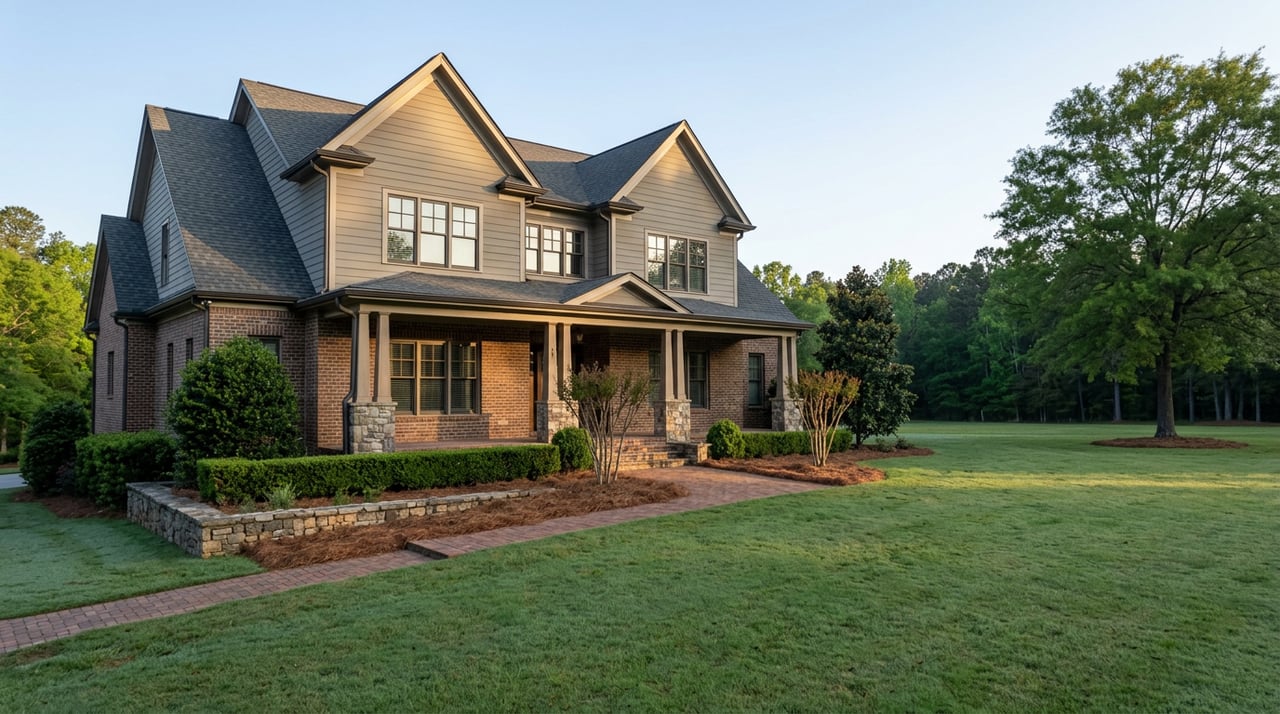
Acreage and lifestyle homes in Summerfield often include a mix of pasture and woods, ponds or small streams, barns and fenced paddocks, riding arenas, detached workshops, and long private driveways. You will also see older homes updated over time, custom builds, and tracts that blend open fields with mature trees.
Many parcels rely on private wells and septic systems rather than municipal water and sewer. You may also encounter propane service, buried tanks, on-site stormwater features, and shared or private roads. These features add independence and privacy, but they also create extra items to verify during due diligence.
Zoning and land-use basics
Before you assume what you can build, keep, or subdivide, check the parcel’s zoning and any overlays. Summerfield enforces a Unified Development Ordinance that defines permitted uses, setbacks, environmental protections, and private drive standards for emergency access. Review the applicable rules in the Summerfield UDO and confirm the official zoning map with the Town Planning Department.
Key items to verify early:
- Permitted uses and any limits on animals, accessory structures, or detached shops.
- Setbacks, buildable area, and whether overlays like watershed or stream buffers apply.
- Standards for private or shared drives, including width and surface for emergency vehicles.
Environmental and infrastructure checks
Floodplains, streams, and buffers
If the land touches a mapped floodplain, regulated stream, or protected buffer, it can change where you place the home, driveway, and outbuildings. Article 9 of the UDO covers environmental standards, including floodplain management and riparian buffers. Always check FEMA or the state’s portal for flood-zone status. For a Guilford County index, start with the NC FRIS FIRM resources, then review the parcel’s panel and request an elevation certificate if needed.
Septic systems and bedrooms
Septic permits are administered by Guilford County Environmental Health. A septic permit will list the approved system type and the number of bedrooms the system supports, which directly affects listing details and financing. Ask the seller for the original permit, any repair or maintenance records, and the most recent pumping or inspection details. To learn where to request records and how the county handles onsite wastewater, visit Guilford County Environmental Health FAQs.
If you plan to add bedrooms or subdivide, you will likely need new site evaluations and perc testing by a qualified professional.
Private wells and water quality
Well location, depth, and construction quality matter for both health and lending. Ask for well completion reports if available, and order a recent water test for potability, coliform, and nitrate. North Carolina’s state well-construction standards outline separation distances from septic fields, animal areas, and fuel tanks. You can review those rules in the NC well-construction standards to understand the basics.
Wetlands and special permits
Parcels with jurisdictional wetlands or stream impacts may require federal Section 404 and state 401 approvals for certain types of disturbance. These regulations can limit buildable area and add engineering steps. The Summerfield UDO references these permit needs, so factor them into your timeline if your tract has wet areas.
Access, private roads, and maintenance
Legal access is a must. Confirm whether the driveway connects to a public road, a private easement, or a shared drive. Look for a recorded maintenance agreement, especially if multiple owners use a common drive. The UDO also includes minimum standards for private drive widths to allow emergency access, which can influence design and costs.
Valuation, financing, and insurance
Appraisal and pricing nuances
Appraising acreage can be more complex than a subdivision lot. There are usually fewer direct comparables, so appraisers often separate land and improvements, then adjust for utilities, access, topography, and usable acreage. Large tracts with limited buildable area or unclear access can appraise lower than expected. Using recent local acreage sales and a lender who understands rural properties can help you set realistic expectations.
Financing programs to consider
Owner-occupied homes on acreage can be financed with conventional, FHA, or VA loans, but requirements vary by lender. Expect the appraiser and underwriter to verify well and septic functionality, the permitted bedroom count on the septic permit, legal access, and insurability.
The USDA Rural Development Single Family program is designed for smaller-town and rural settings. Property eligibility is address specific and must be confirmed on USDA’s map or with a participating lender. The program requires the home to be primarily residential in use. Start with the USDA program summary and verify details early with a local lender.
If you are buying vacant land or a home that needs significant work, be prepared for different loan products, higher down payments, or additional documentation. Given lender overlays can change, get preapproved and review program fit before you make an offer.
Insurance and ongoing costs
Insurers factor fire protection and water supply into premiums. Properties far from hydrants or served by volunteer districts can see higher rates, influenced by the ISO Public Protection Classification used in underwriting. Ask for quotes early and share details about access, water supply, and outbuildings. For background on how PPC impacts underwriting, see this Verisk overview.
Plan for operating costs unique to acreage: routine septic pumping and possible repairs, well maintenance or treatment systems, private road upkeep, fence and pasture care, brush management, and possibly higher liability coverage if you keep animals or operate equipment.
3 buyer scenarios and top checks
Buying 3–10 acres for horses
- Zoning and use: Verify animals are permitted for your zoning and acreage, including any limits on barns, arenas, or fencing under the UDO.
- Water and soils: Confirm well capacity for livestock watering and pasture irrigation, plus soil suitability for buildings and waste management.
- Access and safety: Check legal access, driveway build standards, and insurability considering distance to hydrants and fire response.
Building a wooded 5-acre homesite
- Buildable envelope: Map out setbacks, slopes, and any stream buffers or flood zones to confirm your house and driveway locations.
- Septic and bedrooms: Obtain the septic permit or order a site evaluation to confirm the number of bedrooms supported.
- Utilities and broadband: Confirm electric provider, gas availability or propane plan, and internet or cell coverage that fits your remote work needs.
Creating a 20-acre privacy or hobby farm
- Environmental overlays: Identify wetlands or watershed protections that affect clearing, ponds, or outbuildings.
- Subdivision and future value: If you plan to split parcels later, check subdivision standards, access requirements, and survey needs in the UDO.
- Operations budget: Price fencing, equipment storage, private road maintenance, and insurance before you close.
Your due-diligence checklist
Use this quick, printable list to stay organized during your contingency period.
- Title and recorded documents: Pull a full title search for easements, rights of way, restrictions, and any timber or mineral reservations.
- Zoning and overlays: Confirm zoning district, permitted uses, setbacks, and any watershed or environmental overlays in the Summerfield UDO.
- Septic records: Obtain the county septic permit, permitted bedroom count, system type, last pumping date, and any repair records.
- Well documentation: Request the well completion report if available and order a potability test. Consider a capacity test if irrigation or livestock is planned.
- Soil and perc: If no septic permit exists or you plan a subdivision, order a professional soils evaluation.
- Survey and topography: Commission a boundary and topographic survey to verify acreage, encroachments, and buildable areas.
- Floodplain and wetlands: Check FEMA or NC FRIS, then consider an elevation certificate for mapped zones and a wetlands review where needed.
- Environmental history: Ask about prior commercial uses, underground tanks, or known hazards. Review county environmental-health resources.
- Access and maintenance: Confirm public road connection or recorded easements and a shared-drive maintenance agreement if applicable.
- Utilities and services: Verify electric provider, natural gas or propane plan, and internet options that meet your needs.
- Financing and insurance: Secure lender preapproval, confirm any USDA property eligibility early, and request preliminary insurance quotes.
Local next steps
Buying acreage in Summerfield is rewarding when you pair your vision with smart due diligence. You get a peaceful setting, space to spread out, and quick access to the Triad, along with a regulatory framework designed to protect streams and woodlands. With clear steps on zoning, wells, septic, access, and insurance, you can move forward confidently.
If you are considering land or a lifestyle property in Summerfield, connect with a local guide who understands the UDO, county processes, and rural financing. Reach out to Kathy Haines to map your goals, review listings, and build a plan from first showing to close.
FAQs
What should I check first when buying acreage in Summerfield, NC?
- Start with zoning and overlays in the Summerfield UDO, then confirm septic and well records, legal access, and flood-zone status before diving into other details.
How do property taxes work for acreage in Summerfield, NC?
- Your bill combines the Guilford County rate and the town’s municipal rate, which is relatively low; review current county and town materials to estimate your total.
Can I finance a home on several acres with USDA, FHA, or VA loans?
- Often yes, but eligibility and lender requirements vary, so confirm property eligibility early and talk to a lender experienced with rural and acreage loans.
How does a septic permit affect bedrooms and value in Summerfield, NC?
- The septic permit sets the approved bedroom count, which impacts appraisal, marketing, and loan approval; get a copy of the permit and any maintenance records.
Why might insurance be higher for rural properties in Summerfield, NC?
- Premiums can rise if the home is far from fire hydrants or served by volunteer districts, so request quotes early and share details about water supply and access.
What environmental rules could limit building on acreage in Summerfield, NC?
- Floodplains, stream buffers, watershed protections, and wetlands can restrict locations for homes, driveways, and outbuildings, and may require additional permits.