Thinking about a move to Greensboro and wondering what daily life actually feels like here? You want a place with the right neighborhood vibe, manageable commutes, and easy access to parks, culture, and everyday services. This guide gives you a clear picture of how life flows across Greensboro and Guilford County so you can decide where you fit best. You’ll learn about housing styles, transportation options, local amenities, and practical tips for choosing your spot. Let’s dive in.
Neighborhoods and housing character
Greensboro blends historic city streets, mid-century neighborhoods, and suburban communities. You’ll see older bungalows and brick homes near downtown and the universities, plus larger subdivisions and new construction on the edges. Downtown and midtown infill add condos, lofts, and mixed-use buildings for a more walkable lifestyle. The variety means you can match your home to your daily rhythm.
Historic urban areas
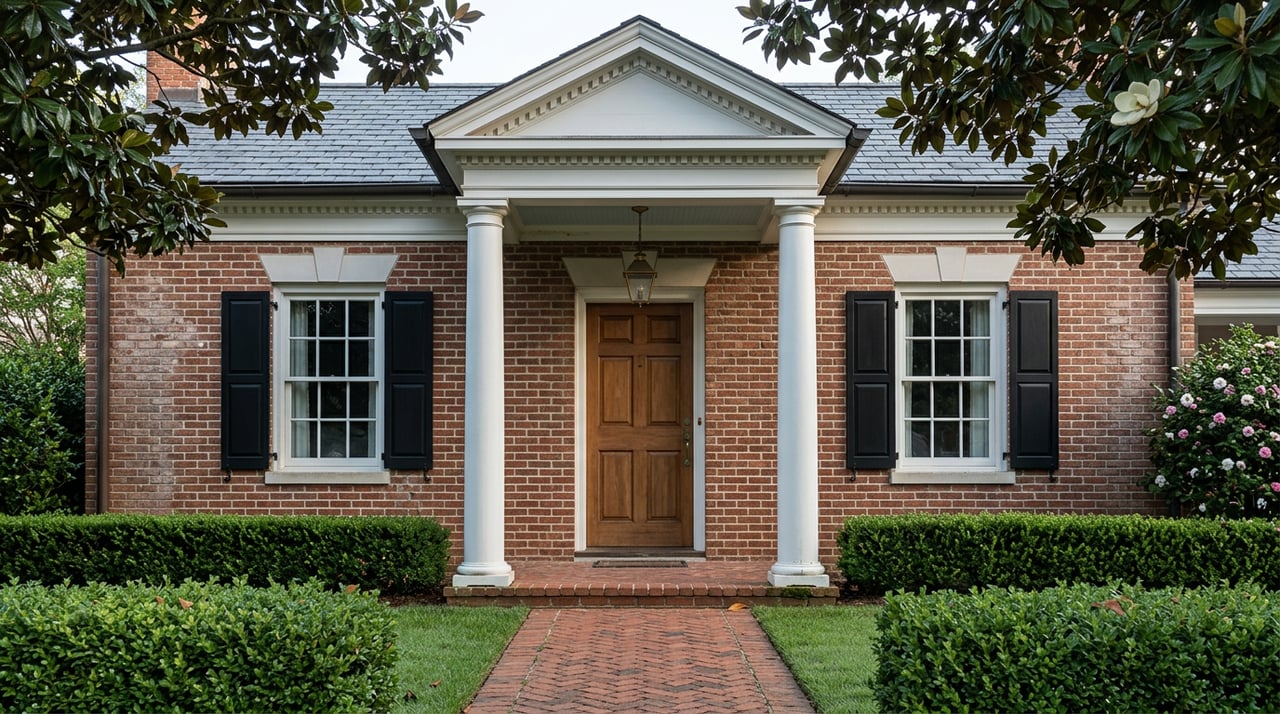
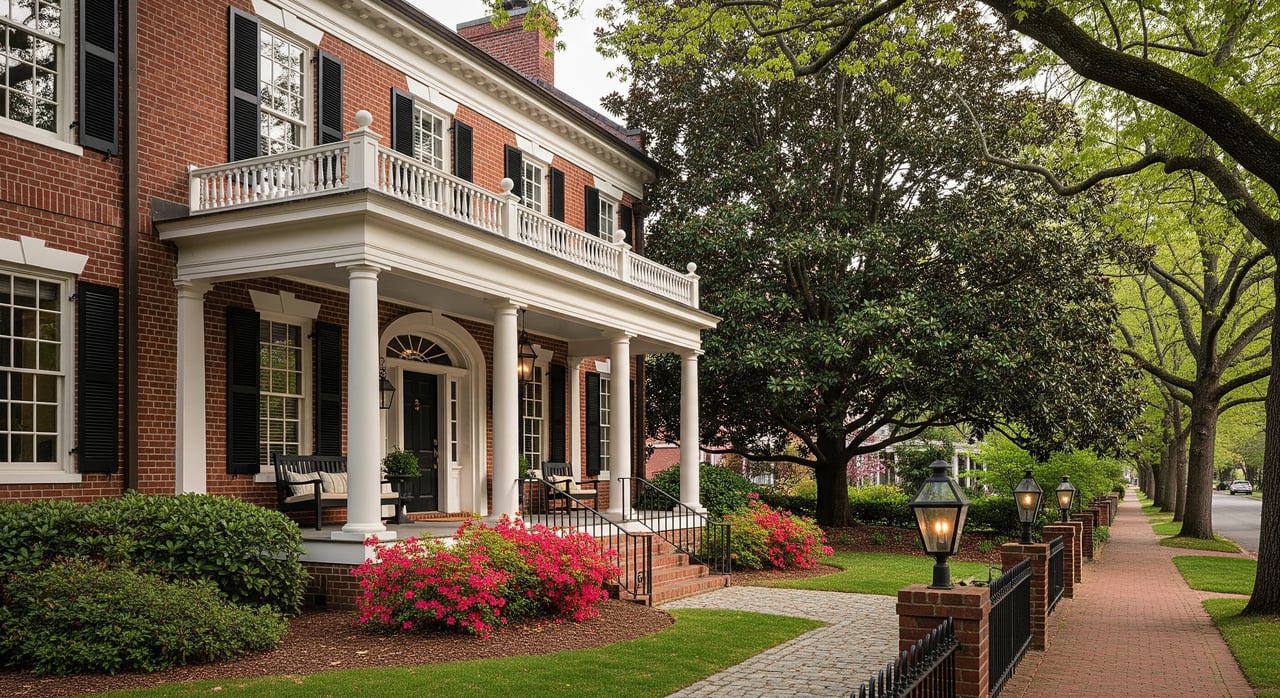
Older bungalows, Craftsman and Colonial Revival homes give many close-in neighborhoods character and walkability. You can reach cafes, parks, and performing arts more easily from these areas. Expect sidewalks and tree canopy, with a mix of owner-occupied and rental homes near campuses.
Mid-century ranch neighborhoods
Single-story ranch homes on larger lots are common a short drive from downtown. These established residential areas tend to have quieter daytime rhythms and neighborhood parks. If you want a classic floor plan and a yard, this style is a good fit.
Suburban edges and new construction
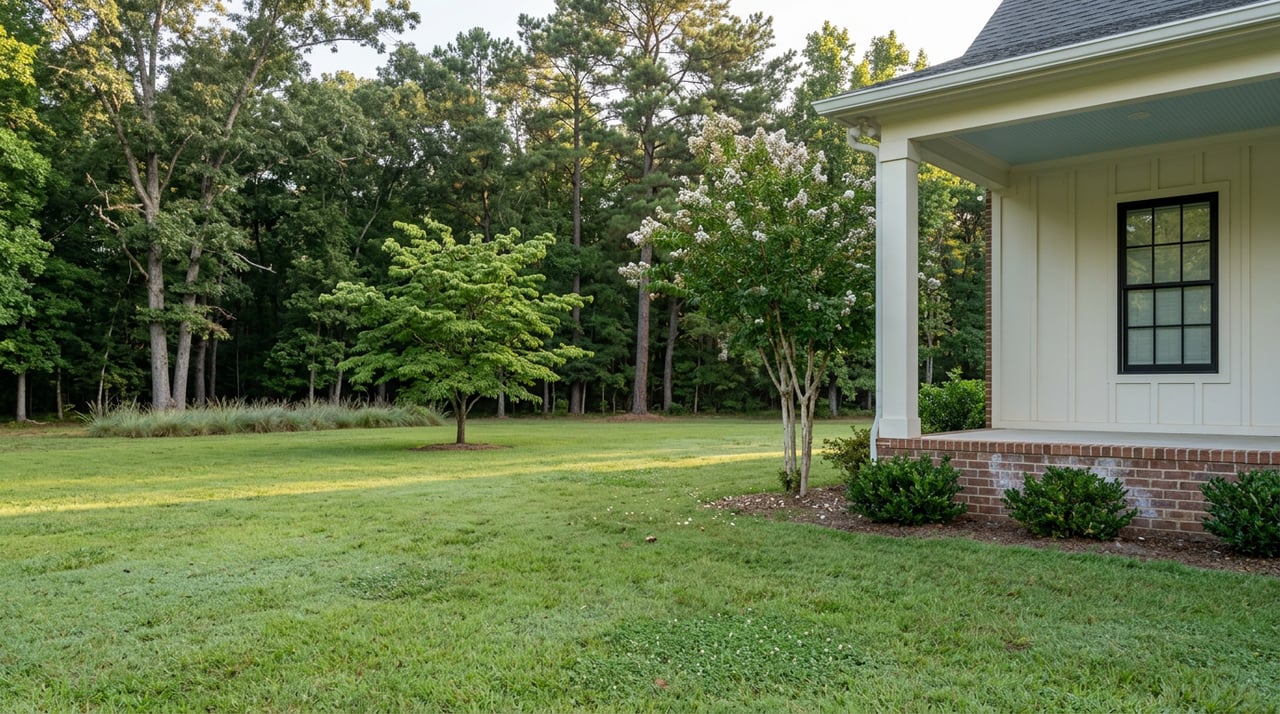
On the outskirts, you’ll find larger single-family homes, townhomes, and apartments. Some developments have HOAs and cul-de-sacs. Daily life here is more car-dependent, with shopping centers and schools shaping routines.
Downtown and midtown infill
If you prefer walkable access to restaurants, parks, and performance venues, consider downtown and midtown condos, apartments, or loft-style conversions. These areas are most active during evenings and weekends and suit buyers who value proximity to entertainment.
How to choose your fit
- Prioritize walkability vs. yard space and privacy.
- Decide how close you want to be to universities, downtown, or major corridors.
- Consider renovation appetite for historic homes vs. turnkey new builds.
- Factor in HOA preferences and lifestyle amenities.
Getting around and commute rhythms
Greensboro is car-oriented overall, with several major highways meeting in the city. Many residents find commute times reasonable compared with larger metros, but peak traffic builds on key corridors. Your experience will vary by employer location and travel time.
Highways and driving
Interstates and major routes give you direct regional access. If you plan to live on the suburban edge, expect to drive for work, errands, and school activities. Try sample commutes during your preferred travel times to set realistic expectations.
Transit and alternatives
A local bus system offers fixed-route service, with frequency that varies by route and is lowest in evenings and on Sundays. Regional bus services connect parts of the Piedmont Triad. Amtrak serves the downtown station for trips toward Raleigh, Charlotte, and beyond. Piedmont Triad International Airport offers domestic flights. Rideshare is available, and walking or biking works best in downtown, university areas, and select historic neighborhoods.
What this means day to day
- In most suburbs, plan on driving for groceries, school drop-offs, and activities.
- If you want to use transit more often, focus on routes with higher frequency.
- For biking or jogging, explore greenways and multi-use trails that connect neighborhoods.
Parks, greenways, and weekend fun
Greensboro offers neighborhood parks, greenways, and larger gardens and nature areas. You can spend weekends walking trails, picnicking by the water, or exploring botanical and arboretum settings. Many greenways connect communities, which makes outdoor time simple to fit into your routine.
Arts and entertainment
A mid-sized performing arts center anchors touring shows, orchestras, and plays. Restored theaters add to the historic downtown scene. The Greensboro Coliseum Complex hosts major concerts and sports, while smaller venues bring local live music to neighborhoods.
Food, coffee, and nightlife
You’ll find a growing mix of restaurants, food halls, coffee shops, and craft breweries concentrated downtown and near universities and midtown. Farmers markets and food festivals are part of many weekend rhythms.
Recreation and sports
From youth sports and community leagues to golf courses and fitness facilities, there are plenty of options. For escapes, residents often take day trips to nearby state parks and the Blue Ridge foothills.
Schools, colleges, and lifelong learning
Public schools are served primarily by Guilford County Schools, with charter and private options available. School performance and boundaries vary by neighborhood, so many buyers review official resources when choosing where to live. Local colleges and universities bring cultural events, continuing education, and a steady student presence to parts of the city.
Jobs, employers, and local economy
Greensboro’s economy includes education, healthcare, manufacturing, and logistics. Hospitals and health systems are major employers, and the city’s central location in the Triad attracts warehousing and distribution. Universities and healthcare networks provide stable employment and related services across the city.
Safety and neighborhood context
Safety can vary by neighborhood and even by block. It helps to review local police data, study neighborhood-level information, and talk with residents to understand patterns at different times of day. When touring, visit at various hours to get a feel for daily activity.
Weather and seasons
Expect humid summers and mild winters. Outdoor activities are possible year-round, though summer heat calls for shade and hydration. Winter storms are usually brief, but occasional ice or snow can pause routines.
Cost and housing market basics
Greensboro has historically been more affordable than larger North Carolina metros, though prices and rents have shifted in recent years. If you’re planning a purchase, check current market indicators before you set your budget and timeline. Buyers drawn to historic homes should plan for potential maintenance or updates.
Daily errands and services
Grocery choices range from national chains and discount stores to specialty and international markets. Big-box retail clusters along major corridors for easy access by car. Professional services like banks, medical offices, and legal support are widely available across the city.
Three everyday lifestyles to picture
Downtown walker
You live in a condo or loft and walk to coffee, performances, and dinner. You use rideshare or buses when needed and hop on Amtrak for weekend trips. Your day revolves around evening events and quick errands on foot.
Established neighborhood resident
You’re in a mid-century ranch or bungalow near a neighborhood park. Work and errands are a short drive. You use greenways for jogs and enjoy local restaurants without going far.
Suburban edge household
You have a larger single-family home, maybe in an HOA with cul-de-sacs. Most errands and school activities involve driving. Your weekends include youth sports, shopping centers, and day trips to regional parks.
Your next steps
- List your must-haves: walkability, yard size, commute time, school zone, HOA.
- Test-drive your commute at peak times from a few target areas.
- Map the nearest parks, greenways, and grocery options you plan to use weekly.
- If you love older homes, budget for maintenance and updates.
- Decide between condo, townhome, or single-family based on lifestyle needs.
- Connect with a local advisor for neighborhood-level insights and current market data.
When you are ready to explore Greensboro in person, reach out to Kathy Haines for tailored guidance on neighborhoods, homes, and timing that fit your goals.
FAQs
What is daily life like in Greensboro, NC?
- A mix of walkable downtown and university areas plus car-dependent suburbs, with parks, greenways, and an active performing arts and events calendar.
Which Greensboro neighborhoods are most walkable?
- Downtown, university-adjacent, and some historic neighborhoods offer the best pedestrian access to coffee, restaurants, parks, and venues.
How are commutes in Greensboro and the Triad?
- Many residents report manageable drive times, though peak-hour congestion increases on major corridors and varies by employer location.
What schools serve Greensboro and Guilford County?
- Public education is primarily through Guilford County Schools, with charter and private options; check official resources for boundaries and performance.
What outdoor and cultural amenities are nearby in Greensboro?
- You’ll find neighborhood parks, greenways, botanical settings, a performing arts center, museums, the Coliseum Complex, live music venues, and regional day trips.
Is Greensboro affordable compared with larger NC metros?
- Historically it has been more affordable, though housing prices and rents have changed in recent years, so verify current market conditions before you buy.