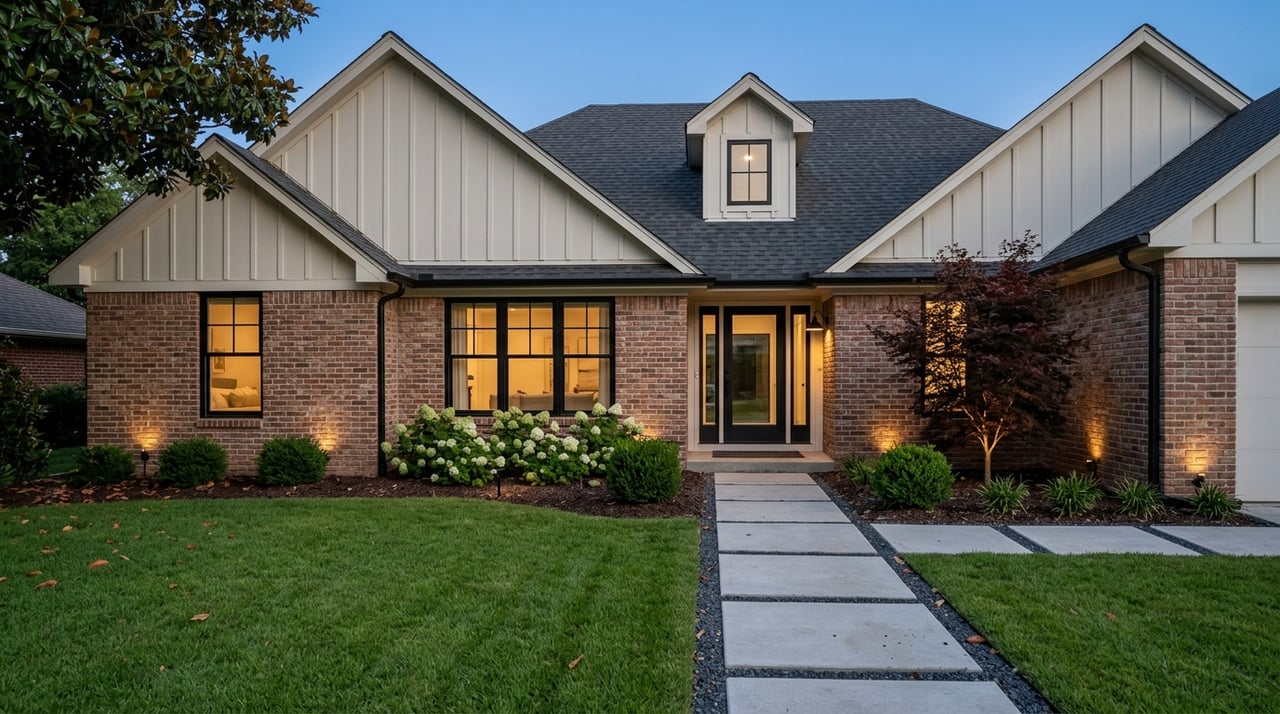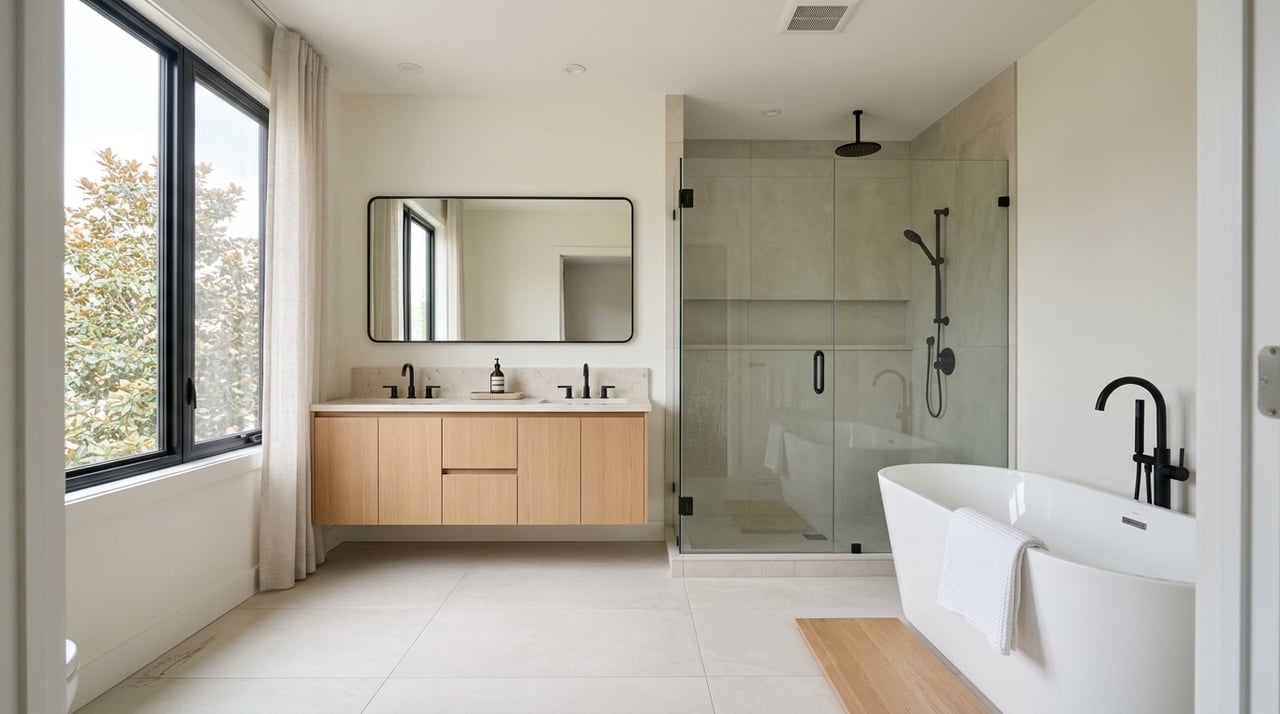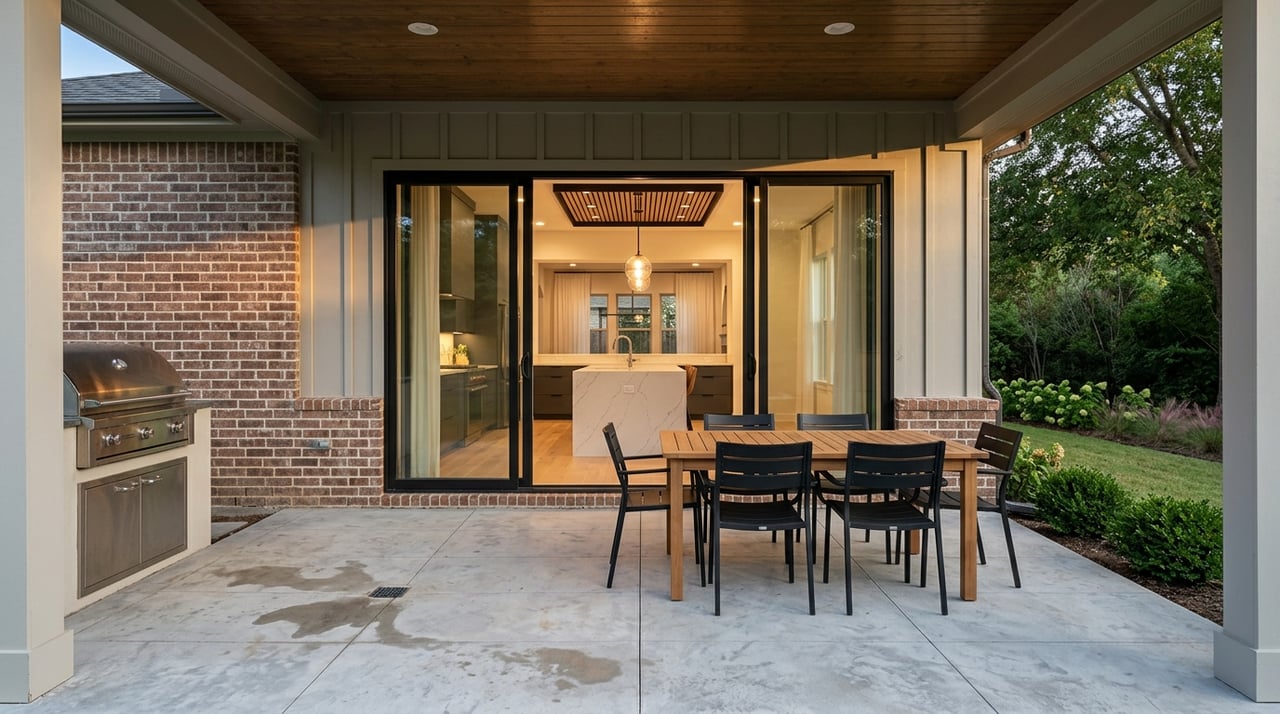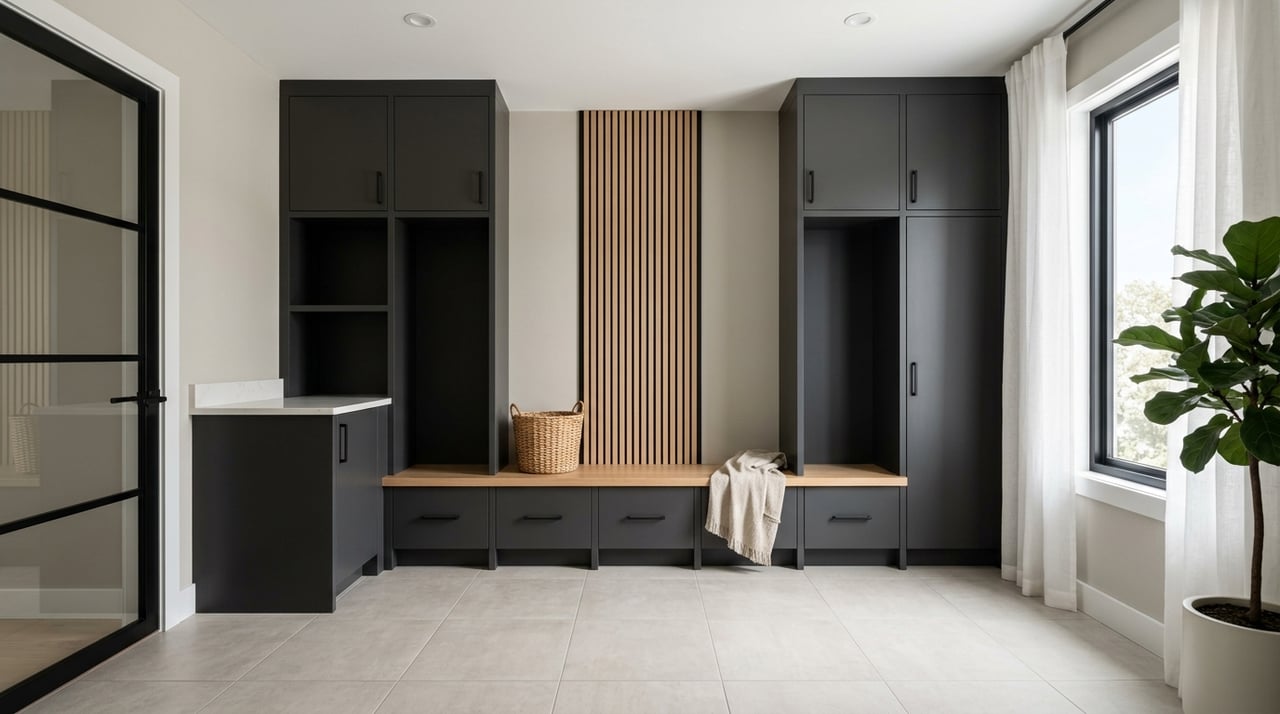
Thinking about moving up in Jamestown? You are not alone, and you are probably asking the same big question many homeowners ask first: Can I sell my current home and buy the next one without creating a financial mess? If you want more space, a different layout, or a home that better fits your next chapter, Jamestown can be a strong option. This guide will help you understand local pricing, what kind of homes you may find, and how to plan your equity and timing before you start shopping. Let’s dive in.
Why Jamestown stands out
Jamestown is a compact Triad town with an established homeowner base and a small-town feel. Census data shows 3,708 residents, 1,589 households, 1,679 housing units, and a 78.4% homeownership rate. The town is also described in local planning materials as a historic community nestled between Greensboro and High Point.
For move-up buyers, that location matters. You get access to the broader Triad while still considering a town known for an active downtown, parks, sidewalks, and neighborhoods within walking distance of the town core. If you want a setting that feels connected and established, Jamestown deserves a look.
What the Jamestown market looks like
Jamestown home values and prices generally land in the mid-$300,000s, though the exact number depends on the source and the metric being used. Zillow reports an average home value of $351,386 and a median list price of $361,633. Realtor.com reports a median list price of $384,495.
Those numbers do not conflict as much as they may seem. They measure different slices of the market, but together they point to a similar takeaway: Jamestown is not a bargain-basement market, yet it also does not look overly overheated. For many move-up buyers, that means you may find some room to negotiate, but you should still expect solid competition for well-positioned homes.
Market pace supports that view. Realtor.com shows a median 40 days on market in Jamestown, while Redfin shows 35 median days on market and a median sale price of $313,000 in the most recent month cited. Realtor.com also reports homes selling about 2.17% below asking on average.
What that means for move-up buyers
If you are selling one home and buying another, Jamestown’s market conditions can work in your favor, but only if your plan is realistic. A market with moderate negotiation room is helpful, yet it does not create a huge safety cushion if your timing is off or your budget is stretched. In today’s mortgage environment, that matters.
Freddie Mac reported a 30-year fixed average of 6.51% on May 21, 2026. Higher borrowing costs can make overlapping two homes more expensive than many buyers expect. That is why your move-up plan should begin with equity, monthly payment comfort, and timing strategy instead of starting with online home searches.
Typical Jamestown move-up price bands
Recent sales give a useful picture of what move-up buyers may see in Jamestown. Smaller or more basic three-bedroom homes have sold near the low $300,000s. Larger three-bedroom and four-bedroom homes often fall in the upper $300,000s to mid-$400,000s.
Recent examples in the research include:
- 3-bedroom, 2-bath homes around 1,440 square feet selling near $305,000
- 3-bedroom, 2.5-bath homes around 2,200 square feet selling near $369,900
- 4-bedroom, 2.5-bath homes around 2,146 square feet selling at $430,000
- 4-bedroom, 3-bath homes around 2,288 square feet selling at $455,000
- 4-bedroom, 3.5-bath homes around 4,195 square feet selling for $600,000
That gives you a practical framework. In Jamestown, your move-up search may start in the low $300,000s for a modest step up, move into the low-to-mid $400,000s for more space and features, and reach into the $500,000s and above for larger or more premium properties.
What types of homes you may find
Jamestown’s housing stock is mostly single-unit housing, which fits what many move-up buyers want. At the same time, the town’s zoning includes single-family residential, multi-family residential, residential main street transitional, cluster development overlay, and traditional neighborhood development overlay districts. That points to a mix of detached homes, some attached or townhome-style options, and transition-area housing near the town core.
In practical terms, you may have more than one path forward. If your goal is simply more bedrooms or square footage, you may focus on detached resale homes. If you want less exterior upkeep while still improving layout or location, attached housing or transition-area options may also be worth exploring.
How Jamestown compares nearby
One reason Jamestown appeals to move-up buyers is that it sits in a middle position within the Triad. Its median list price of $384,495 is above Greensboro at $299,900, High Point at $285,000, Whitsett at $289,000, and Friendship at $322,450. At the same time, it is below Colfax at $463,707, Browns Summit at $484,450, Summerfield at $638,000, and Oak Ridge at $700,000.
That makes Jamestown a useful middle-rung option. You may pay more than in some nearby value-oriented markets, but you may still stay well below some of the highest-priced northern Guilford County communities. For buyers who want to level up without jumping to the top of the regional price ladder, that balance can be appealing.
Market speed is also fairly steady compared with nearby areas. Jamestown’s 40-day median days on market is close to Greensboro at 42 days, Colfax at 41 days, and Whitsett at 36 days. It is faster than High Point at 48 days, Summerfield at 57 days, and Oak Ridge at 58 days.
Kernersville is another useful comparison point in the broader Triad. It shows a median sale price of $359,900, 40 median days on market, and homes selling 1.11% below asking on average. That puts Kernersville close to Jamestown in pace, but usually a bit lower on sold price.
Start with your home equity
For most move-up buyers, equity is the engine behind the next purchase. The FTC defines home equity as the difference between what you owe on your mortgage and the current value of your home. If your current home has gained value and your mortgage balance has come down, that equity may help fund your down payment, closing costs, and moving expenses.
This is where many buyers benefit from slowing down for a moment. Before you get emotionally attached to the next house, you need a realistic estimate of what your current home may sell for and what you may net after mortgage payoff and selling costs. That number helps shape everything else.
A simple planning checklist can help:
- Estimate your current home’s likely sale price
- Subtract your mortgage payoff
- Factor in expected selling costs
- Decide how much cash you want to keep in reserve
- Set a comfortable monthly payment target for the next home
Timing your sale and purchase
Selling and buying at the same time is often the hardest part of a move-up purchase. When those two transactions do not line up neatly, your options usually include selling first, buying first if you have enough cash to carry both homes for a period, using a bridge loan, or negotiating a short rent-back after closing.
Each path has tradeoffs. Selling first can reduce financial pressure, but it may leave you with a temporary housing gap. Buying first can feel more convenient, but it raises the risk if your current home takes longer to sell than expected.
Bridge loans are sometimes used to help with this transition. Research cited in your source material notes that bridge loans can reduce the rush of trying to sell while shopping, and they may help when you close on the new home before the old one sells. But they can also come with stricter terms and higher costs, which increases the risk if your current home lingers on the market.
Why timing matters more now
In a lower-rate environment, some buyers can absorb more overlap. In a 6%+ rate environment, the margin for error gets smaller. Carrying two housing payments, even briefly, can strain your budget faster than expected.
That is why move-up buyers in Jamestown should treat timing as a core financial decision, not just a logistics issue. A smart plan is usually built around what you can comfortably carry, how quickly your current home is likely to sell, and whether you need flexibility between closings. The CFPB also advises buyers to budget for moving and repair costs and to make arrangements for the transition to the new home during closing.
A practical Jamestown strategy
If you are considering a move-up purchase in Jamestown, the cleanest strategy is usually to build from the numbers up. Start with your likely net equity. Then map that equity to a realistic target price range in Jamestown.
From there, compare your options by lifestyle and budget. If your current goal is a moderate step up, the low $300,000s to upper $300,000s may offer opportunity. If you want a more substantial jump in size or features, the low-to-mid $400,000s is an important band to watch.
Finally, create a timing plan before you tour too many homes. In a market where homes are moving in roughly 35 to 40 days and selling only modestly below asking, preparation matters. A strong move-up outcome usually comes from clear sequencing, not last-minute scrambling.
If you want a move-up home in Jamestown, you do not need a perfect market. You need a well-informed plan. With the right pricing expectations, a realistic equity picture, and a clean timing strategy, Jamestown can be a practical and appealing next step in your Triad home journey.
When you are ready to map out your next move, Kathy Haines can help you evaluate your current home, understand your options, and build a smart plan for buying and selling with confidence.
FAQs
What is the typical price range for move-up homes in Jamestown, NC?
- Recent sales suggest many move-up options fall from the low $300,000s for smaller or more basic homes into the low-to-mid $400,000s for larger homes, with premium properties reaching the $500,000s and above.
How competitive is the Jamestown, NC housing market for move-up buyers?
- Jamestown appears moderately competitive, with about 35 to 40 median days on market and homes selling roughly 2.17% below asking on average, which suggests some negotiation room but not a deeply discounted market.
How does Jamestown, NC compare with Greensboro and other nearby Triad areas?
- Jamestown is priced above Greensboro, High Point, Whitsett, and Friendship, but below Colfax, Browns Summit, Summerfield, and Oak Ridge, making it a middle-rung option for move-up buyers in the Triad.
Why should move-up buyers in Jamestown, NC start with home equity?
- Your equity can shape your down payment, cash reserves, and monthly payment comfort, so it is often the key starting point before choosing a target price range for your next home.
What are the main timing options for buying and selling at the same time in Jamestown, NC?
- Common options include selling first, buying first if you can carry both homes for a period, using a bridge loan, or negotiating a short rent-back after closing, with the best choice depending on your finances and risk tolerance.