Thinking about buying in Jamestown while your work takes you across the Triad? That question comes up often for buyers who want a quieter home base without feeling cut off from Greensboro, High Point, or even parts of the wider region. If that sounds like you, this guide will help you weigh commute patterns, housing options, and day-to-day lifestyle so you can decide if Jamestown fits the way you actually live. Let’s dive in.
Why Jamestown Works for Triad Commuters
Jamestown is a small town with a big location advantage. Town documents describe it as a bedroom community to Greensboro and High Point, which helps explain why so many buyers look here when they work in more than one Triad city. It sits on about 3.8 square miles of incorporated land and serves roughly 3,804 residents, so it offers a compact residential setting rather than a large urban footprint.
That smaller scale is part of the appeal. If you want a place that feels residential and established, Jamestown can offer that while still keeping you close to major work hubs. For many buyers, the value is not just where Jamestown is on a map, but how easily it connects into the broader Triad road network.
Commute Access From Jamestown
Jamestown’s main road corridors are one of its strongest selling points for cross-Triad buyers. Local planning documents identify Guilford College Road, Guilford Road, Main Street, and Oakdale Road as primary routes that connect the town to Greensboro, High Point, Business 85, and Interstate 85. That means your daily drive can feel more direct and predictable than you might expect from a small-town address.
Public data supports that commuter-friendly picture. Census Reporter lists Jamestown’s mean travel time to work at 13.4 minutes, compared with 23.2 minutes for the Greensboro-High Point metro and 25.1 minutes statewide. While your own route will depend on your exact job site, those numbers suggest Jamestown often delivers shorter daily travel times than the broader region.
Best Fit for Greensboro and High Point
If you work in Greensboro or High Point, Jamestown is especially well positioned. Its road system ties directly into both cities, and the town’s role as a residential base between them makes that relationship feel natural. For buyers splitting time between those two job centers, Jamestown can be a practical middle ground.
This is often the biggest reason people consider buying here. You can keep a more residential setting while staying plugged into two of the Triad’s main employment areas. That balance is hard to ignore if your workweek is spread across multiple offices, clients, or campuses.
What About Winston-Salem?
Winston-Salem is still possible from Jamestown, but the fit is less direct. The current regional transit pattern connects High Point to Winston-Salem and Greensboro through transfer points, which makes Winston-Salem more of a regional commute than a local one from Jamestown. In simple terms, it is workable, but not as seamless as Greensboro or High Point.
If your work regularly takes you to Winston-Salem, it is smart to test the full route before you buy. A home that feels central on paper may still create a longer routine if most of your week leans west. That kind of real-world check matters more than a general map view.
What the Daily Transportation Picture Looks Like
Jamestown is largely car-oriented. Data USA reports that 78.5% of workers drive alone, 13.3% work from home, and the average household has about two cars. For most buyers, that means Jamestown works best when you are comfortable with driving as your primary daily transportation.
That does not mean the town lacks flexibility. Jamestown’s planning materials describe a short-distance street network that supports walking and cycling, along with an active downtown area. If you want the option to walk or bike for some local errands or recreation, that can be part of the lifestyle here even if your work commute still depends on a car.
Transit in and Around Jamestown
Transit exists, but it is limited and route-based rather than citywide. Greensboro Transit serves the GTCC Jamestown campus as its only destination outside Greensboro city limits, and High Point Transit includes GTCC Jamestown Route 25 with Monday-through-Saturday service. PART extends the regional network with Route 3 to Greensboro and Route 74 to Winston-Salem.
The practical takeaway is simple. Transit can be useful as a backup, a connection point, or an occasional tool, but most buyers should not expect a transit-first lifestyle in Jamestown. If regular transit access is important to you, verify the nearest stop and transfer pattern before you commit to a home.
Jamestown Housing: What Buyers Should Expect
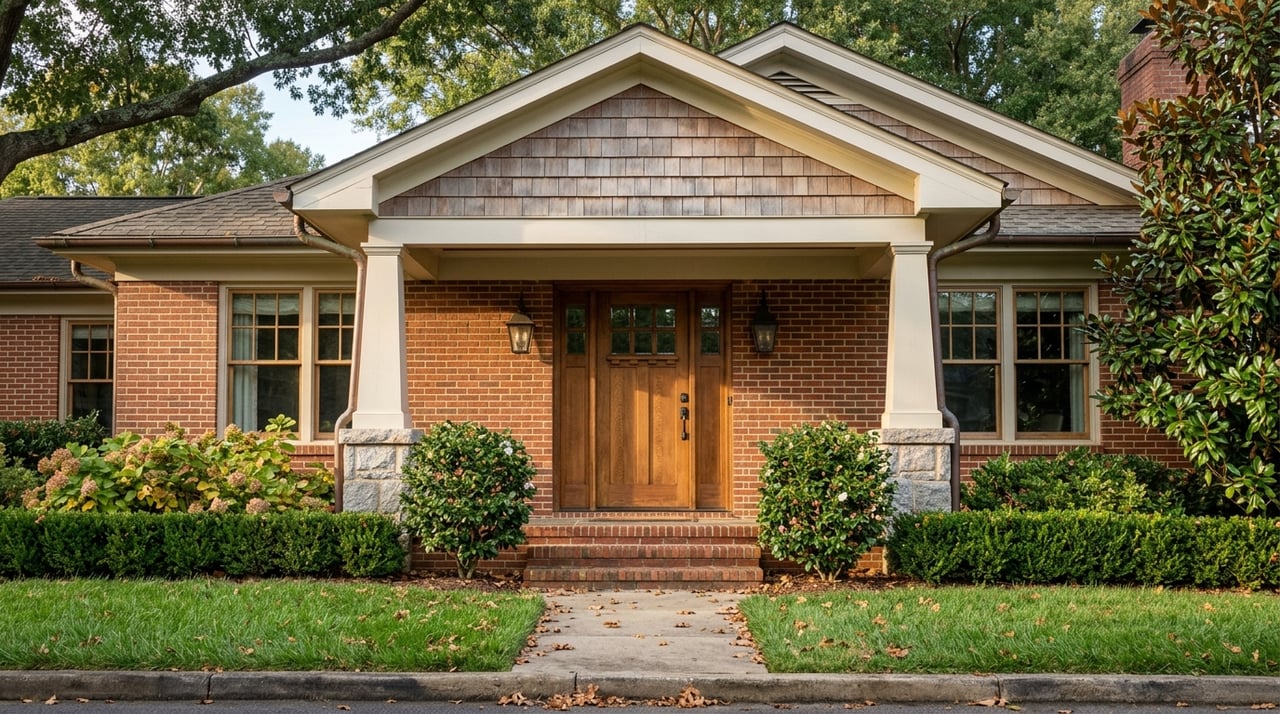
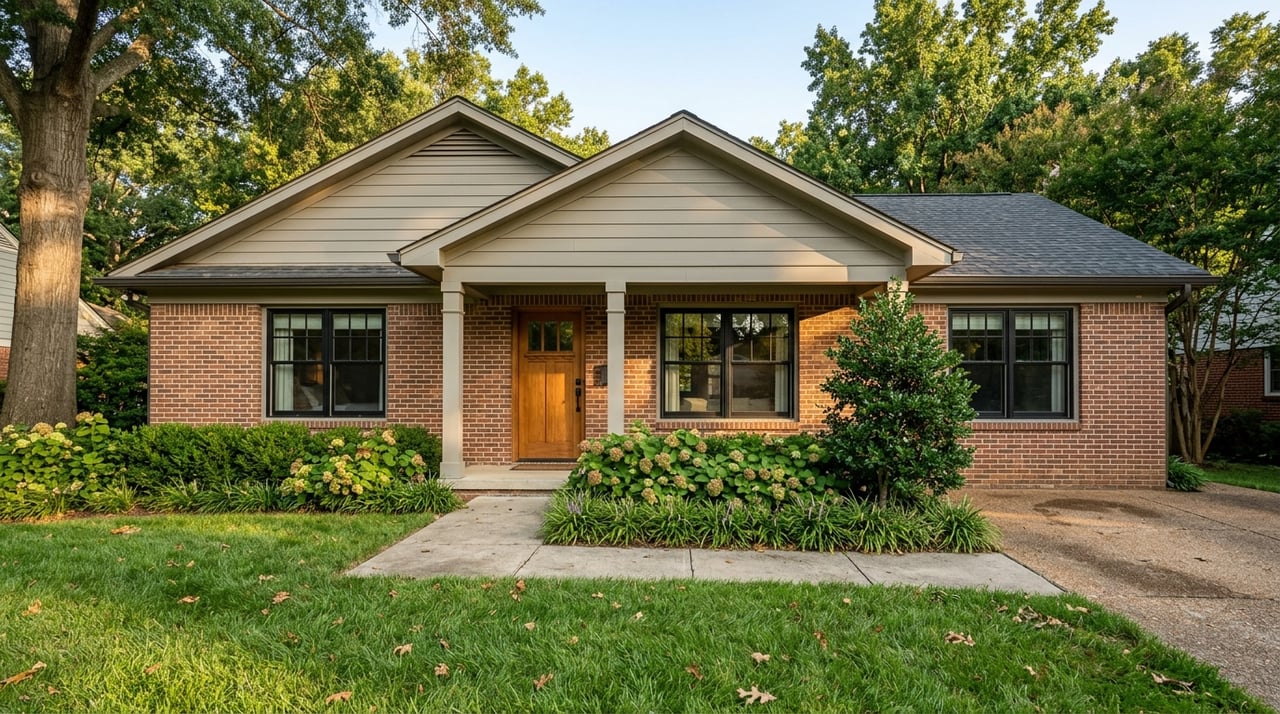
Jamestown’s housing stock leans strongly toward owner-occupied single-family homes. The town reports that its housing units consist primarily of single-family, owner-occupied homes, and Census Reporter shows a homeownership rate of 78.4%. With only 1,679 housing units in town, inventory can feel limited compared with larger nearby cities.
That smaller inventory base shapes the buying experience. You may find that homes meeting your criteria do not come up as often as they would in Greensboro or High Point. For some buyers, that tradeoff is worth it because they are specifically looking for Jamestown’s location and residential feel.
Established Homes and Newer Options
A large share of Jamestown’s housing was built between 1960 and 1979. That gives buyers access to established neighborhoods and older single-family homes that may offer mature landscaping, more settled streetscapes, and a different feel from newer suburban construction. At the same time, Jamestown is also adding housing supply.
The town reports that a 467-acre project near Guilford College Road and Mackay Road was approved for up to 1,500 housing units, with grading beginning in early 2024, lot subdivision in 2025, and initial lot sales in 2025. A townhome project of nearly 100 units off Harvey Road was also approved and is underway. For buyers, that means Jamestown is not frozen in time. You may be able to compare older homes with newer subdivisions and attached-home options.
Understanding Jamestown Price Signals
Public home value data for Jamestown points in a similar direction, but the numbers do not match exactly because they reflect different years and measures. Census Reporter and Data USA show a 2024 median owner-occupied property value of $326,800, while the town’s 2025 financial report cites a 2023 ACS median home value of $262,900. The safest way to read that data is as a range of public snapshots, not one exact market price.
For you as a buyer, the bigger lesson is that Jamestown is a small market where pricing can move differently than in larger areas with more homes for sale. Looking at current listings and recent comparable sales is important, especially if you are deciding between an older resale home and a newer construction option. A town with limited inventory often rewards preparation and quick decision-making.
Lifestyle Fit Beyond the Commute
Jamestown offers a more suburban and small-town lifestyle than an urban one. The town highlights places such as Jamestown Library, Jamestown Park & Golf, and Mendenhall Homeplace, and local planning materials describe an extensive sidewalk network, nearby green space, and a vision for trail and sidewalk connections around key parts of town. The Bicentennial Greenway also skirts Jamestown and connects toward Greensboro and High Point.
That matters because buying a home is never only about the drive to work. You also want to know how a place will feel on a Tuesday evening or a Saturday morning. If you like the idea of a quieter residential setting with local parks, sidewalks, and a compact town layout, Jamestown may check a lot of boxes.
Tradeoffs to Think Through
Every location asks you to trade one benefit for another, and Jamestown is no different. On the plus side, you get strong access to Greensboro and High Point, short average commute times, and a housing base centered on owner-occupied homes. You also get a smaller-town setting that many buyers find appealing.
The tradeoffs are equally important to understand. Jamestown has less housing variety than larger Triad cities, and transit coverage is more limited. If you want the broadest possible inventory, a larger apartment or condo selection, or a true transit-first routine, another nearby city may fit better.
Practical Checks Before You Buy
If Jamestown is on your shortlist, a few simple steps can make your decision much clearer.
- Map the commute to the job site you will use most often.
- Test routes if your week includes both Greensboro and Winston-Salem or both High Point and Winston-Salem.
- Compare established neighborhoods with newer subdivisions and townhome options.
- Confirm whether transit access, if needed, works for your actual schedule.
- Check whether the property is inside incorporated Jamestown or within the town’s broader planning jurisdiction.
These checks can help you move from a general impression to a real decision. A town can look ideal online but feel very different once you match it against your weekly routine, housing preferences, and long-term plans.
Is Jamestown the Right Home Base?
Jamestown makes a strong case for buyers who work across the Triad, especially if Greensboro and High Point are the main anchors in your routine. Its compact size, direct road connections, and mostly owner-occupied housing give it a clear identity in the local market. For the right buyer, that combination creates a practical and comfortable home base.
If you are trying to balance commute convenience with a more residential setting, Jamestown is worth serious consideration. The key is to look closely at your actual travel patterns, the type of housing you want, and how much flexibility you need from inventory and transit. When those pieces line up, Jamestown can be an excellent fit.
If you want help comparing Jamestown with other Triad options or narrowing down the right neighborhood and home style for your routine, Kathy Haines can help you make a confident move.
FAQs
Is Jamestown NC a good place to buy if you work in Greensboro?
- Yes. Jamestown has direct road connections to Greensboro, and public data shows a shorter mean commute time than the broader metro average.
Is Jamestown NC a good fit for High Point commuters?
- Yes. Jamestown is closely tied to High Point through its road network and is often a natural option for buyers who want access to both High Point and Greensboro.
Can you commute from Jamestown NC to Winston-Salem?
- You can, but it is generally a less direct regional commute than traveling to Greensboro or High Point.
What types of homes are common in Jamestown NC?
- Jamestown’s housing stock is primarily single-family, owner-occupied homes, with many established homes built between 1960 and 1979 and some newer development now underway.
Is transit available in Jamestown NC for daily commuting?
- Transit is available in limited, route-based forms, but Jamestown works best for buyers who are comfortable with a car-first routine.
Is housing inventory limited in Jamestown NC?
- It can feel limited because Jamestown has only 1,679 housing units, which is a much smaller inventory base than nearby larger cities.